Amazon Product Launch Services That Get New Products to Page One

Olifant Digital is a full-service Amazon agency that launches 50+ new products a year. Your team builds the listing, runs the launch ads and earns the first reviews within Amazon's rules, so a new product ranks fast and turns profitable.

If performance does not improve in 60 days, we refund our management fees
Our strategy

Three problems that stall new product launches

Next to each problem you see how we fix it.

New products that never reach page one

What holds brands back
X sign

Amazon ranks products on the sales they make for each keyword. A new ASIN has no sales history, so it starts deep in the results.

Without a plan for each keyword, the launch budget spreads thin and organic rank never moves.

How we fix it
Checkmark

A rank plan for every main keyword, pushed with exact-match PPC.

We pick the keywords the product can win, run exact-match Sponsored Products on them and lower bids as organic rank holds. Then budget moves to the next keyword.

Organic rank for "insulated water bottle"Example
Launch week
#61Exact-match launch campaigns on
Week 3
#18Sales on the keyword grow
Week 6
#5Bids lowered, rank holds
Sales on a keyword lift its organic rank. Once the rank holds, budget moves to the next keyword.Example of a keyword rank push. Real timelines depend on competition.

Launch spend that does not convert

What holds brands back
X sign

Ads sent to a listing with weak images, thin copy and no reviews buy clicks that do not turn into sales.

Low early conversion also tells Amazon the product is less relevant, which makes ranking harder.

How we fix it
Checkmark

The listing, images and A+ ready before the first ad runs.

Your listing and SEO specialist builds the copy around the keywords that sell, and your creative team delivers images, video and A+ before launch day.

Launch readiness checkExample
ItemStatusDetail
Title and bulletsReadyKeywords mapped
Images and videoReady7 images + video
A+ contentReadyPublished
Backend search termsReadyIndexing checked
Ads start only when every item is ready to convert.Example of the checklist we run before launch day.

Zero reviews in the first weeks

What holds brands back
X sign

Shoppers buy from listings they trust, and a new listing starts with no reviews.

Low conversion slows sales on your keywords, so the product ranks slower.

How we fix it
Checkmark

Amazon Vine and Request a Review, within Amazon's rules.

We enroll the product in Amazon Vine, request a review on every eligible order and monitor every review. No tactics that put your account at risk.

Reviews in the first weeksExample
WhenStepDetail
Day 1Vine enrolledUp to 30 units
Week 2First Vine reviewsOn the listing
Every orderRequest a ReviewOngoing
Early reviews lift conversion, and conversion lifts rank.Example timeline. Amazon Vine allows up to 30 units per parent ASIN.
Client success stories

Hear it from the founders

Brand owners on what changed after they started with us.

Product launch · Illustrative approach

Illustrative 90-day launch plans

Four examples of how we would structure launch research, preparation and early optimization.

Illustrative plans, not achieved results

These are proposed approaches, not records of work completed or results achieved. Day 1 is the agreed project start. Launch timing depends on account access, product readiness, approvals and available inventory.

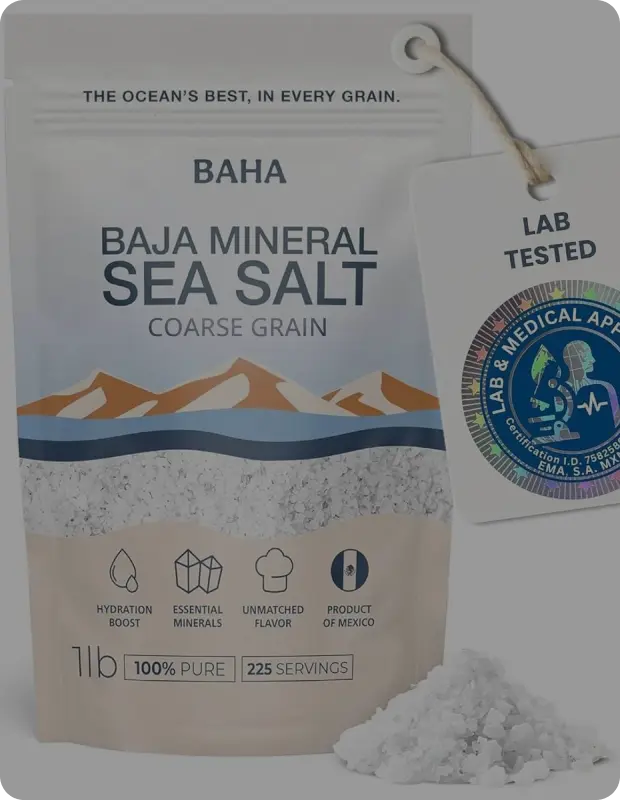
BAHA mineral sea salt product packaging

Existing product imagery

BAHA mineral sea salt

Make the product differences clear and find relevant demand.

Days 1–30

Research and preparation

Review competing salt products, pack sizes, grain types and price per unit of weight. Map relevant searches to the correct product variations. Prepare accurate listing copy and visuals that explain the product, packaging and intended uses. Confirm variation structure, the buying offer and stock readiness.

Days 31–60

Launch and learn

Once the product is ready to buy, test focused keyword and product-targeting campaigns. Review which searches generate orders, how acquisition costs compare with product margins and whether shoppers understand the pack size and grain type. Check Vine eligibility and use Request a Review for eligible orders.

Days 61–90

Refine and prioritize

Use search-term and customer-feedback evidence to improve targeting and content. Compare performance across the included sizes and variations without combining their results twice. Increase budgets only where conversion, margins and stock support it, and set the next inventory and advertising priorities.

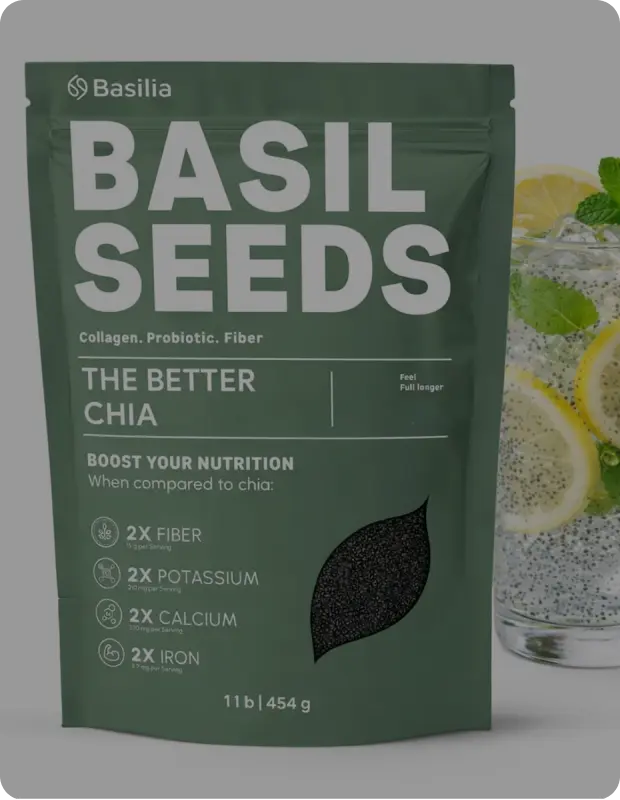
BASILIA basil seeds product packaging

Existing product imagery

BASILIA basil seeds

Explain the product clearly and reach shoppers looking for the right use.

Days 1–30

Research and preparation

Research basil-seed demand, competing offers, customer questions and relevant food or beverage uses. Identify where shoppers may confuse basil seeds with other products, including chia seeds. Prepare clear product information, usage visuals and accurate pack details, avoiding unsupported nutrition or health claims.

Days 31–60

Launch and learn

Test relevant basil-seed searches and carefully selected product targets once the offer and inventory are ready. Separate directly relevant demand from broader exploratory searches. Review conversion, advertising costs and shopper questions before expanding targeting.

Days 61–90

Improve product understanding

Refine images and copy around the questions appearing in search data and customer feedback. Reduce irrelevant traffic and prioritize targets supported by purchase evidence. Review pricing, pack presentation and replenishment needs before deciding whether to scale, continue testing or revise the offer.

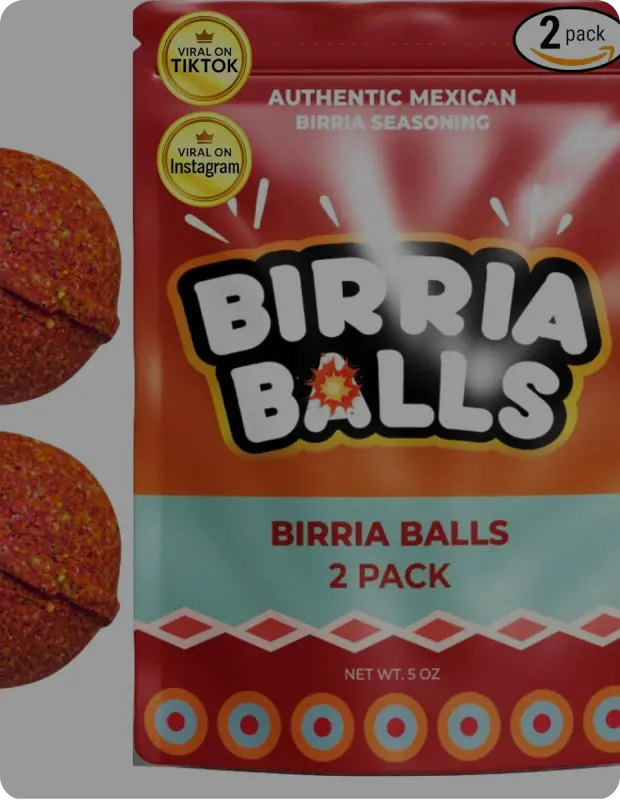
CHILEMOY Birria Bomb product packaging

Existing product imagery

CHILEMOY Birria Bomb

Show how the product is used and match the offer to relevant cooking searches.

Days 1–30

Research and preparation

Review competing birria seasonings and meal-preparation products, pricing and buyer questions. Build content around the actual preparation method, ingredients, pack contents and verified serving guidance. Check that visuals and instructions set accurate expectations before launch advertising begins.

Days 31–60

Launch and learn

Test relevant birria, seasoning and product-targeting opportunities within a controlled budget. Review search-term relevance, conversion and advertising costs alongside product margins. Use early questions and feedback to identify unclear preparation steps or gaps in the listing.

Days 61–90

Refine and plan demand

Improve content and targeting using the strongest available evidence. Assess whether promotions make commercial sense after discounts, advertising and fees. Consider seasonal demand and inventory lead times when planning the next phase, without treating a seasonal sales peak as the expected baseline.

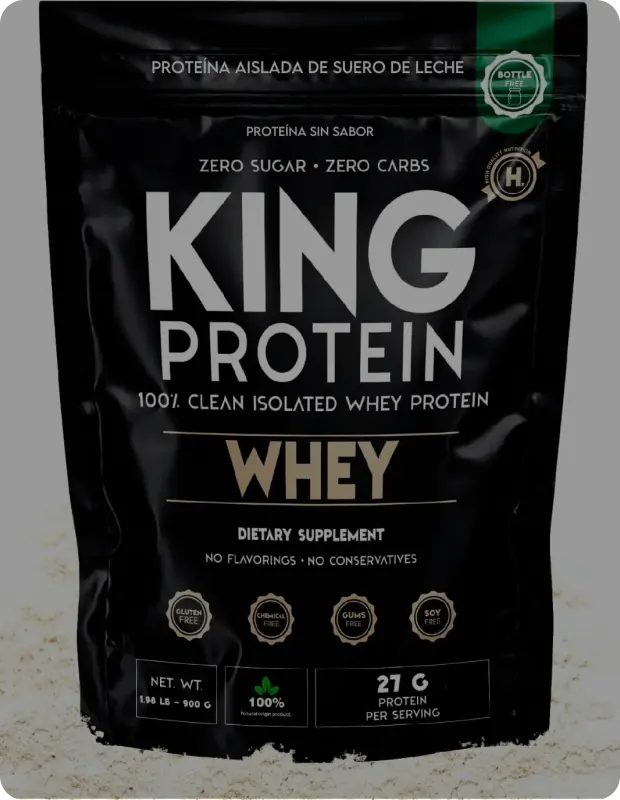
KING Protein product packaging

Existing product imagery

KING Protein

Build a clear US offer and evaluate performance at the correct product-family level.

Days 1–30

Research and preparation

Review US competitors, price per serving, product positioning and relevant search demand. Check ingredient, nutrition, serving and variation information against the product records and applicable requirements. Prepare clear visuals and copy using substantiated claims, then confirm the offer and inventory readiness.

Days 31–60

Launch and learn

Launch focused advertising tests for relevant searches and competing products. Keep product families and variations identifiable in reporting so results are attributed correctly. Review conversion, advertising costs, available margin data and customer questions before increasing spend.

Days 61–90

Optimize and choose the next move

Use performance evidence to refine targeting, bids, content and the offer. Evaluate whether the next priority is additional testing, stronger product presentation, inventory replenishment or selective budget growth. Expand only where the product economics and stock support the decision.

Introductory pricing, then gradual increases

Where product margins allow, we launch below the intended long-term selling price to make the initial offer more competitive and support early conversion.

We pair that introductory price with advertising on relevant searches, then review sales velocity, conversion, advertising costs and organic visibility. The aim is to build purchase activity on searches that genuinely fit the product.

As the data supports it, we increase the price gradually toward the target level, checking how each change affects conversion, sales and contribution profit. The pace depends on customer response, competition and available stock.

The introductory price, acceptable launch investment and review points are agreed before launch. A lower price does not guarantee a ranking improvement, and we do not keep discounting simply to chase sales volume.

How we measure the launch

We agree on the target selling price, product costs, launch budget and acceptable launch investment before starting. Each stage answers a different question.

Days 1–30 · Is the product ready to launch?

Product economics: Contribution profit per unit at the introductory and target prices, after product costs, Amazon fees and applicable discounts.

Advertising allowance: Break-even ACoS and the agreed launch ACoS target. A launch target above break-even means accepting a planned investment, not generating immediate profit.

Inventory readiness: Available units, replenishment lead time and estimated stock coverage.

Listing readiness: Buyable offer, accurate product information, approved creative and relevant keyword indexing.

Decision: resolve launch blockers and confirm how much we can responsibly invest before increasing traffic.

Days 31–60 · Is relevant traffic turning into purchases?

CTR and CPC: Whether the offer attracts clicks on relevant searches and what those visits cost.

Conversion: Advertising orders divided by advertising clicks; listing Unit Session Percentage tracked separately.

Sales velocity: Daily units and revenue, using seven-day trends to reduce day-to-day noise.

ACoS and TACoS: Advertising efficiency and advertising spend as a share of total sales.

Organic visibility: Position trends for a defined set of relevant keywords, with paid placements tracked separately.

Customer feedback: Recurring questions, return reasons and product or listing issues.

Decision: identify promising targets, improve weak content or offers, and reduce irrelevant spend once there is enough evidence to judge it.

Days 61–90 · Can we improve profit while maintaining demand?

Realized selling price: The price customers actually pay after discounts.

Contribution profit: Total and per unit, including advertising costs.

Conversion and units per day: How demand responds to each price increase.

ACoS, TACoS and paid versus organic sales: Whether growth still depends on the same level of advertising support.

Keyword visibility: Whether relevant organic positions remain stable, improve or weaken.

Stock coverage and returns: Whether the product can support additional demand without creating inventory or customer-experience problems.

Decision: increase price or budget selectively, hold the current setup, or revise the offer based on profitability and customer response.

How we evaluate each price increase

Record the date and compare the previous price with the new price alongside conversion, units per day, contribution profit and organic visibility.

Keep advertising and other major changes as stable as practical during the comparison. Account for promotions, stockouts, seasonality and advertising attribution delays before drawing conclusions.

A higher price is successful when it improves the agreed commercial outcome. A small reduction in units may be acceptable if total contribution profit increases.

Keep reporting consistent

Use consistent ASIN or product-family scope throughout. Total sales and advertising-attributed sales are separate measures and must never be added together. Organic sales should come from a consistent reporting source, not a simple subtraction of reports with different attribution rules.

The plan sets the work and decision points. When the plan is executed in full, we commit to page-one rank for the main keywords in it. It does not promise a revenue figure, review count or profitability date.

Why us

Why brands choose Olifant Digital as their Amazon product launch agency

What you get when we work together.

A Rank Plan per Keyword

We pick the keywords the product can win and push them with exact-match PPC until organic rank holds.

Olifant Research

Decisions come from Olifant Research, our study of 66 Amazon ad accounts, and from your own data.

Ready Before Day One

Listing, images, video and A+ are ready before the first ad runs, and early reviews come from Vine and Request a Review.

Month to Month

No long-term contract. 98% client retention, earned with results every month.

Client stories

Every quote below is real, and every one links to the full case study behind it.

+391%
Amazon sales, with 17% lower ACoS
“Working with Olifant Digital has been a game-changer for WedgeGuys. They helped us achieve a 391% increase in Amazon sales and a 17% reduction in ACOS. Their strategic approach to restructuring our ad campaigns and enhancing our product listings allowed us to reclaim our organic placements and drive profitability.”
Brian Dalton
Brian Dalton
Owner at Wedge Guys
Read the case study
$688,406
increase in yearly Amazon profit
“Olifant Digital rebuilt our Amazon channel and turned it into a real revenue and profit driver. Their team is always one step ahead, proactively monitoring performance and making smart optimizations without us having to ask or micromanage.”
Olivier Momma
Olivier Momma
Founder & Creative Director at Ekster
Read the case study
-27%
TACoS, from 16.4% to 11.9%
“Olifant was very organized. They created a meeting pace and deliverable schedule that works well for us. The account management is very responsive, and internal communications are excellent. We are very happy with speed of delivery and execution.”
Vince Polentes
Vince Polentes
CEO at Coat Defense
Read the case study
+40%
monthly Amazon revenue, plus a launch in Japan
“Their deep understanding of e-commerce marketing helped us to increase our sales in Canada and expand into Japan. I highly recommend Olifant Digital to any brand looking to grow in super competitive markets.”
Kevin Park
Kevin Park
CEO at OneRoot
Read the case study
★★★★★

Sales up, ad spend controlled

“Olifant Digital runs ad operations across all our brands and builds all of our listing content, from titles, bullets, and descriptions to A+, branding, and store design. Sales are up, ad spend is controlled, and our conversion rate, ROAS, and organic rankings have all improved.”
Francisco Lobeira
Francisco Lobeira
CEO at CHILEMOY
Read the case study
★★★★★

Nothing clicked until Olifant

“After trying dozens of different agencies and attempting to manage Amazon internally, nothing clicked until we partnered with Olifant Digital. Their strategy has driven a significant increase in sales and conversion rates. It's truly been a joy to work with them!”
Jordan Lindstrom
Jordan Lindstrom
CEO at Elite Jumps
Read the case study
★★★★★

Scaling while protecting margins

“Olifant Digital completely changed the way we approach growth. For the first time, our Amazon channel feels like a true extension of our brand, not just another sales channel. We're scaling with confidence, hitting consistent numbers, and still protecting margins. That's game-changing.”
Claudio Conte
Claudio Conte
Co-Founder & CEO at Bullstrap
Read the case study

How we start working together

Before you pay us anything, you'll know exactly what we'd do, which team would run your account, and what it costs.

step one

Apply for a marketing plan

Fill out a short application: your brand, your goals, and where you're stuck. We'll review it and tell you honestly whether we can help.

step two

Receive your marketing plan

We build a plan tailored to your brand: the exact scope of work, the team who'll run it, and the monthly fee.

step three

Meet your team and execute

Meet the people who'll run your account day to day before you sign anything. Once aligned, we start with the highest-impact work first.

If performance does not improve in 60 days, we refund our management fees.

Find out exactly what it takes to scale your brand.

See what your next launch could add to your profit

Answer 5 quick questions and get your free marketing plan in 24 hours.

Get your free marketing plan